

PhilaVita: a life made with other people
PHILA: from the Greek philia (φιλία), the affection that binds friends, kin, and fellow citizens; love chosen and returned
VITA: from the Latin vita life; a way of living



Our
Values
Transparency
We hold ourselves to full transparency. Clients see our methods and fees, and we explain the reasoning behind every recommendation. When we get something wrong, we name it early and correct it openly. When we are uncertain, we say so. Everything we build carries a clear record of what it does and why.
Innovation
Our own habits get the same scrutiny we bring to any institution. We keep learning from artists, historians, and researchers, and we test our ideas before we sell them. A method that worked last year earns its place again this year or gets revised. Curiosity is a daily discipline here, practiced on our own work first.
Compassion
The care we ask of clients starts inside our studio. We work at a humane pace, protect time for rest, and tell one another the truth with kindness. Collaborators, contractors, and partners receive the patience we would want for ourselves, especially when the work gets hard and deadlines press.
Respect
Every person who trusts us with their time, attention, or story deserves our best conduct. We keep our promises and guard confidences. We credit the artists, thinkers, and traditions our ideas grow from by name. For us, respect is measured in follow-through.
Our story
The internet asked all of us to audition, give up our privacy, and give up something for the convenience of using it. Post the meal, rate the business, perform the friendship, and accept terms and conditions that let the company track your every move. Every encounter becomes evidence, and somewhere in that trade we lose our valuable attention.
I started PhilaVita to help restore attention, bring people back into relationship, and to create tools that don’t violate our senses and privacy.
Philia is the Greek word for affection that binds friends and fellow citizens, and vita is the Latin word for life. Put them together, and we have a working thesis. A good life is made with other people, in person.
My education in this came from artists. I’ve spent over 15 years in contemporary art and art history, with artists and academics. I’ve worked in and with arts organizations and continue to serve on arts boards. Art history cured me of the cult of the new. Every masterpiece remixes what came before it, and genius turns out to be a way of looking twice. Art of all kinds in every genre has taught me that the most arresting moments happen in real time, among real bodies, and they evaporate the second you try to capture them. Presence is the real medium and the most valuable material.
I spent those same years inside institutions, in the boardrooms and governance committees where groups decide how to lead together. And when they break, it happens in predictable ways. People stop trusting the process, then each other, then themselves. Repair begins when people recover enough agency and privacy to look one another in the eye.
So PhilaVita works on two fronts. The advisory practice goes into organizations that want to elevate and electrify their calcified governance and frayed trust and rebuild the structures that let people disagree, decide, and keep going. The venture studio builds software with an unusual ambition: be useful for a few minutes, then let you go. We build tools that help you put the phone down and walk into the world.
Everything we make is an invitation to step through the doorway towards real connection, with a solid roadmap. We created this company to build adaptable yet solid systems that bring teams, organizations, and people into alignment with what’s most valuable to all of us: connection, attention, and real life.
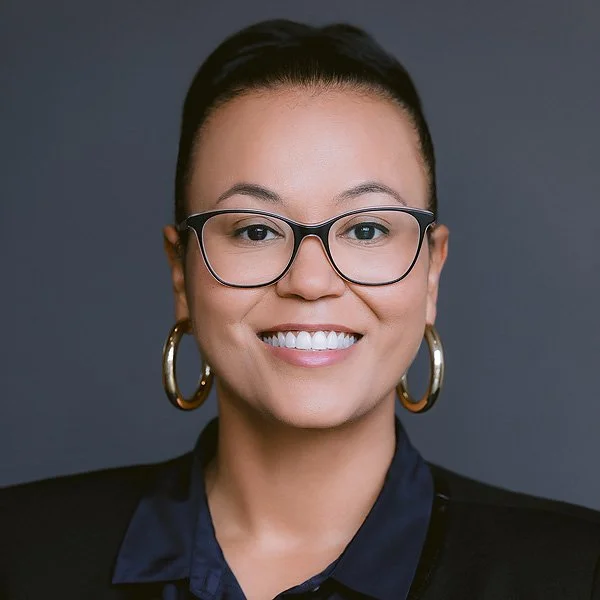
Leilani Lewis Jupiter
Founder, Inventor
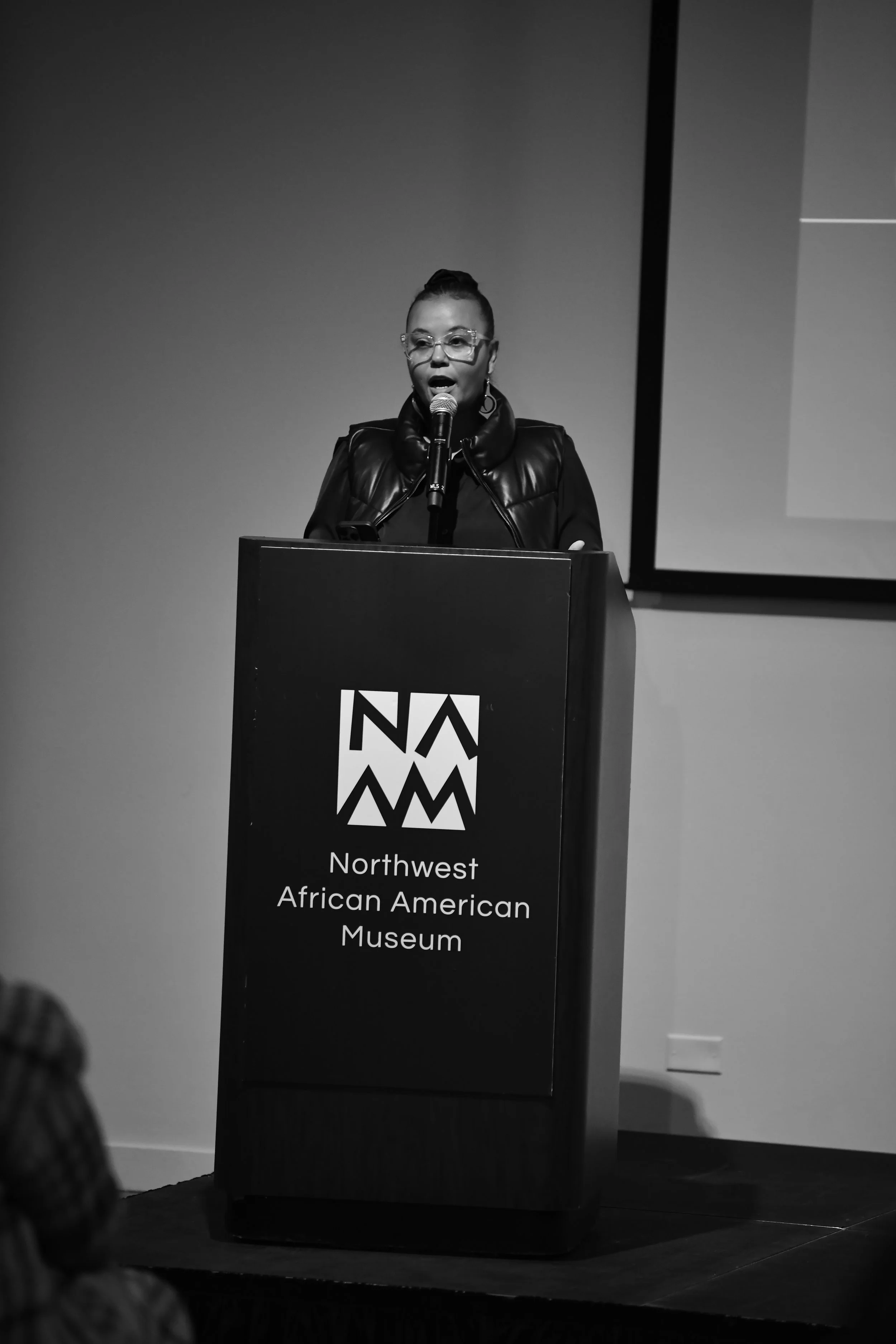
About the founder
Leilani Lewis Jupiter is a writer, a strategist, and the founder of PhilaVita. She works where creative leadership meets organizational design, creating pathways for organizations and her own company's products by exploring answers to the question: What does it take for people to show up for one another?
As an arts journalist, she has published in Hyperallergic and Public Display. Art, covering the artists and ideas reshaping how culture gets made and shared. In her pursuit of supporting real-life connections and experiences, she collaborates on gatherings and special wellness- and creativity-focused experiences with communities she’s part of. One example of her work is the successful writers’ collective Black Women Write Seattle, which she co-founded, and was built around the conviction that creative people do their best work in good company. She is part of the 4Culture Network of Support, which allows non-profit arts organizations to have consulting work funded with grants. She serves on the boards of University of Washington Press and the Shared Art Collective and has helped steward the digital legacy of Jacob and Gwen Knight Lawrence.
Her consulting work draws on more than fifteen years in non-profit organizations from staff to governance. Clients have included the University of Washington, the Satterberg Foundation, Seattle Arts and Lectures, the Seattle Fire Department, and more.
She holds an MA in Nonprofit Leadership from Seattle University and lives in Seattle.